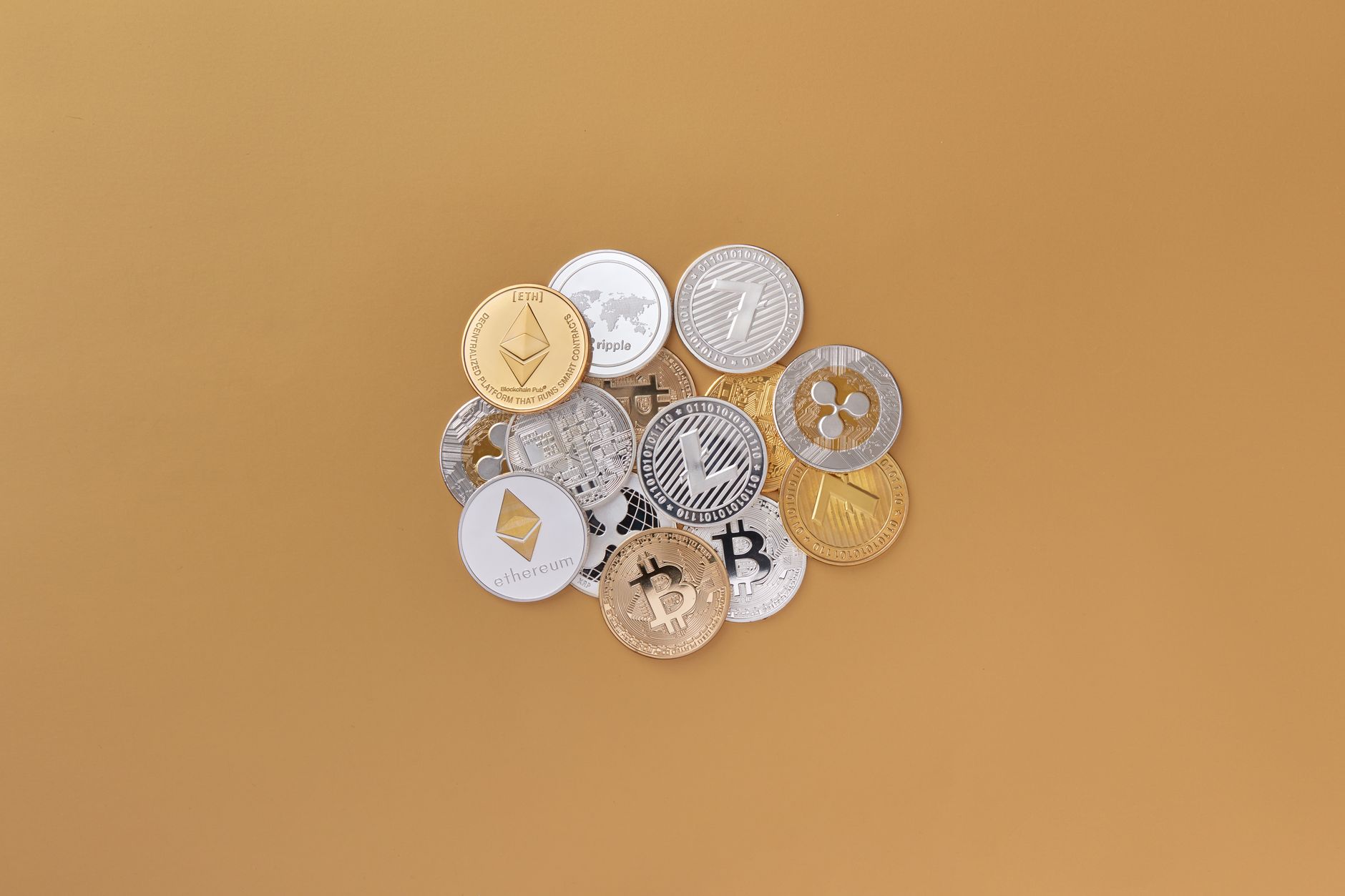
Demystifying Your Digital Wallet: What It Is, How It Works, and Why You Need One (Common Questions Answered!)
Ever found yourself fumbling for cash or multiple cards at the checkout? The digital wallet, often residing as an app on your smartphone or smartwatch, is here to simplify that experience. More than just a virtual recreation of your physical wallet, it securely stores your payment information – think credit and debit cards, loyalty programs, and even boarding passes – allowing for swift, contactless transactions. But how does this magic happen? At its core, digital wallets leverage technologies like NFC (Near Field Communication) for in-store payments, creating an encrypted, one-time use token for each transaction, significantly enhancing security compared to swiping a traditional card. This tokenization process means your actual card details are never shared with the merchant, offering a robust layer of protection against fraud. Consider it your personal financial vault, always at your fingertips.
Beyond the convenience of tap-and-go payments, digital wallets address several common pain points many consumers face. Have you ever worried about losing your wallet, or having your card details skimmed? Digital wallets offer enhanced security features like biometric authentication (fingerprint or facial recognition) and strong encryption, making unauthorized access extremely difficult. Furthermore, they provide a centralized hub for managing various financial aspects of your life. Imagine a single app where you can:
- Track spending across different cards
- Redeem loyalty points automatically
- Receive digital receipts
- Even split bills with friends instantly
In essence, a digital wallet isn't just about paying; it's about a more secure, streamlined, and intelligent way to manage your personal finances in an increasingly digital world.
Decentralized betting platforms leverage blockchain technology to create transparent and secure environments for wagering, removing the need for traditional intermediaries. This innovative approach ensures that all transactions are recorded on an immutable ledger, providing a trustless system for users interested in decentralized betting. By eliminating central authorities, these platforms offer enhanced privacy and often lower fees compared to conventional bookmakers.
Your First Crypto Purchase: From Fiat to Fortune (Step-by-Step Guide & Practical Tips for a Smooth Transaction)
Embarking on your crypto journey begins with a crucial first step: converting your traditional currency, or fiat, into digital assets. This process, while seemingly complex, is straightforward once you understand the core mechanisms. Your primary options involve utilizing a reputable cryptocurrency exchange or a peer-to-peer (P2P) platform. Exchanges like Coinbase, Binance, and Kraken offer user-friendly interfaces, robust security, and a wide array of cryptocurrencies. They typically require identity verification (KYC - Know Your Customer) to comply with financial regulations, ensuring a safer trading environment for everyone. P2P platforms, on the other hand, allow direct transactions between individuals, often providing more payment flexibility but demanding greater caution and due diligence to avoid scams. Carefully researching and selecting the platform that best suits your risk tolerance and technical proficiency is paramount.
Once you've chosen your platform, the actual purchase process is remarkably similar across most exchanges. Here's a simplified breakdown:
Remember to consider transaction fees and potential price volatility when making your purchase. Starting with a small, manageable amount is always a wise strategy for your initial foray into the crypto market.
- Account Creation & Verification: Sign up and complete the necessary identity checks (uploading ID, proof of address).
- Funding Your Account: Link your bank account, debit card, or credit card to deposit fiat currency. Be mindful of potential fees associated with different deposit methods.
- Selecting Your Cryptocurrency: Navigate to the trading section and choose the cryptocurrency you wish to buy (e.g., Bitcoin, Ethereum).
- Placing Your Order: Enter the amount of fiat you want to spend or the amount of crypto you want to acquire. You can often choose between market orders (buying at the current price) or limit orders (setting a specific price you're willing to pay).
- Confirming the Purchase: Review your order details and confirm the transaction. Your newly acquired crypto will then appear in your exchange wallet.